Next-Cart

VTEX to WooCommerce Migration

Migrate products, customers, orders, blog posts, and other supported store data from VTEX to WooCommerce securely and accurately while preserving data relationships throughout the transfer.
No Downtime,
No Coding Required
Keep your store running during migration. No coding or technical skills required.
Free Demo Available
Preview a sample of your data in the target store before starting the full migration.
1-Year License
with Repeat Migrations
Repeat your migration when needed, including new or updated data, within your plan’s data limit.
Expert Technician Support
Get expert help with connections, configuration, migration issues, and data validation throughout your migration.

How to Migrate VTEX to WooCommerce

Connect the source and target, choose the supported data and options, and review the results. The steps below describe the tool workflow; expert-led and custom projects may follow an agreed plan.
Connect your source: VTEX
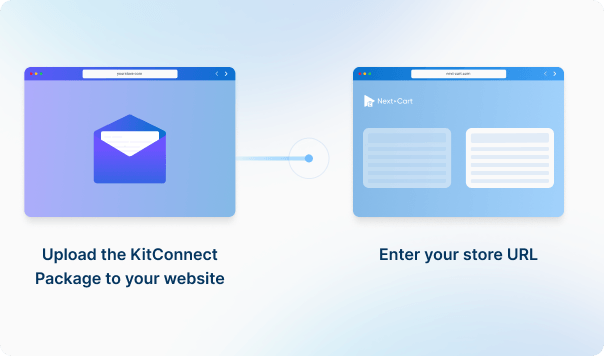
Connect your target: WooCommerce
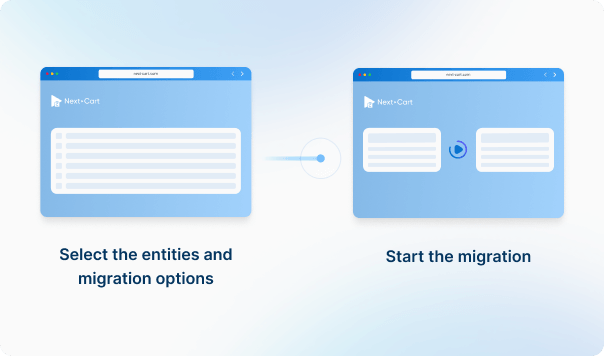
Configure and start the migration
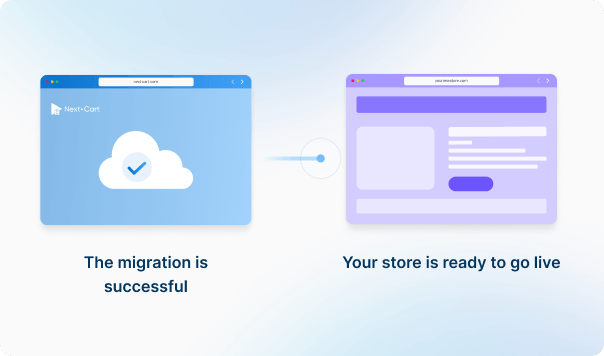
Review results & post-migration options
1
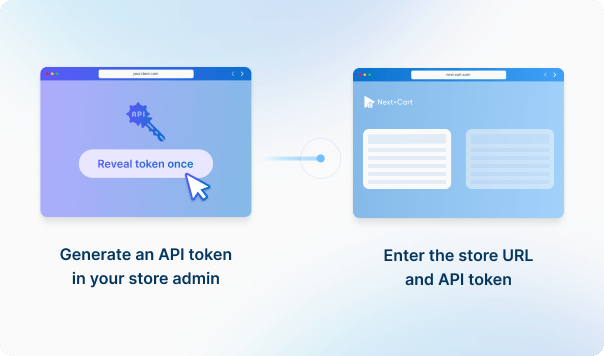
Connect your source: VTEX

To establish the connection, enter the URL and API credentials for the VTEX store you are migrating from.

What Can You Migrate from VTEX to WooCommerce?

Review supported data, source-to-target mappings and any listed conditions. Custom fields, plugin data and URL redirects may need additional review.
Products
Product Categories
Taxes
Manufacturers
Customers
Orders
Coupons
Reviews
Blog Posts
CMS Page
All relationships (categories, variants, images, etc.) preserved

Customize your setup with additional options

Recent Data Migration
Strip HTML Tags from Category and Product Names
Compatibility Overview
VTEXVTEX
WooCommerceWooCommerce
Main Editions
VTEX Commerce Platform
WordPress plugin
Version Range
All versions
1.x - 11.x (and newer)
Language & Localization
-
Multilingual, Multicurrency, RTL, Localized URLs powered by WPML and Polylang
Product Types: Product, Product Variants, Digital Product, Attachment
Product Information: SKU, EAN, Description, Weight, Length / Width / Height, Link ID, Active
Product Pricing: Price, List Price
Product Options: Specification, Specification Value, SKU Inventory, Position, Specification Type
Product Variants: SKU Specification, Price, Weight, Length / Width / Height, Quantity, Image, Active
Product Images: Main image, Description, Images, Variant Images, Position
Product Inventory: Manage Inventory, Quantity, Availability, Backorders
External Links / Relationships: Categories
Product Attributes & Custom Fields: Attribute Name , Attribute Value, Position, Active, Specification Type
Product Downloads: Attachment Name, Download Links, Attachment
Product SEO / Structured Data: Title Tag, Meta Tag Description, Redirect, Link ID
Category Information: Name, Link ID, Description, Active, Redirect, Meta Tag Description, Title Tag
Category Images: Image
Category Structure / Hierarchy: Parent Category, Subcategories, Position
Tax Rules: Tax Rule, Tax Category, Country, State, Postal Code, Rate, Tax Shipping, SKU
Manufacturer Information: ID, Brand, Description
Manufacturer Branding : Image
Customer Information: First Name, Last Name, Email, Phone, Status, Created At
Customer Addresses: ID, First Name, Last Name, Company, Address, Address 2, City, State, Country, Postal Code, Phone, Type
Customer Order History: Orders
Order Information: Order Number, Order ID, Status, Currency, Subtotal, Discount, Tax, Total, Payment System, Shipping Method, Shipping, Tracking, Note, Creation Date, Last Change
Product Details: Name, SKU, Quantity, Price, Total, Tax, Discount, SKU Options
Customer Details: First Name, Last Name, Company, Address, City, State, Country, Postal Code, Phone
Order Relationships: Client ID, Items
Coupon Information: Coupon, Description, Discount Type, Discount Value, Start Date, End Date
Usage Restrictions: Minimum Cart Value, Per Customer, Apply to Discounted, Products, Excluded Products, Categories, Excluded Categories, Usage Limit, Usage Per Customer
Review Information: Title, Comment, Rating, Status, Date
Reviewer Information: Customer ID, Email, Name, Verified Purchase
Product Relationship: Product ID, SKU ID
Post Information: Title, Content, Summary, Tags, URL, Status, Visibility
Post Images: Image, Images In Content
Post Categories: Category, Parent, Position
Post SEO / Structure Data: Title Tag, Meta Description, Redirect, Plugin Structured Data
Post Comments: Name, Email, Comment, Date, Status
Page Information: ID, Title, Content, Summary, URL, Status, Visibility, Template, Parent, Position, Created, Updated
Page Images: Image, Images In Content
Page SEO / Structure Data: Title Tag, Meta Description, Redirect
VTEXVTEX
WooCommerceWooCommerce
Product Types
Product
Simple Product
Product Variants
Variable Product
Digital Product
Virtual Product
Attachment
Downloadable Product
SKU
SKU
EAN
UPC / EAN / GTIN
Description
Description
Weight
Weight
Length / Width / Height
Link ID
Slug
Active
Published
Price
Regular Price
List Price
Regular Price (when Sale active)
Specification
Attribute
Specification Value
Attribute Value
SKU Inventory
Stock (Variation)
Position
Menu Order
Specification Type
Product Attribute Type
SKU Specification
Attribute (Used for Variations)
Price
Regular Price / Sale Price
Weight
Weight
Length / Width / Height
Quantity
Stock Quantity
Image
Image
Active
Status
Main image
Product Image
Description
Description
Images
Product Gallery
Variant Images
Variant Images
Position
Menu Order
Manage Inventory
Manage Stock
Quantity
Stock quantity
Availability
Stock Status
Backorders
Allow Backorders
Categories
Categories
Attribute Name
Attribute Name
Attribute Value
Terms
Position
Menu Order
Active
Visible On Product Page
Specification Type
Type
Attachment Name
File name
Download Links
File URL
Attachment
Downloadable Product
Title Tag
Meta Title
Meta Tag Description
Meta Description
Redirect
Redirect
Link ID
Slug
Category Information
Name
Name
Link ID
Slug
Description
Description
Active
Published
Redirect
Redirect
Meta Tag Description
Meta Description
Title Tag
Meta Description
Image
Thumbnail
Parent Category
Parent Category
Subcategories
Subcategories
Position
Menu Order
Tax Rules
Tax Rule
Tax Rate
Tax Category
Tax Class
Country
Country
State
State
Postal Code
Postcode
Rate
Rate
Tax Shipping
Tax Shipping
SKU
Product
Manufacturer Information
ID
ID
Brand
Name
Description
Description
Image
Image
Customer Information
First Name
First Name
Last Name
Last Name
Email
Email
Phone
Phone
Status
Status
Created At
Registered Date
ID
ID
First Name
First Name
Last Name
Last Name
Company
Company
Address
Address 1
Address 2
Address 2
City
City
State
State
Country
Country
Postal Code
Postcode
Phone
Phone
Type
Billing / Shipping
Orders
Orders
Order Information
Order Number
Number
Order ID
Number
Status
Status
Currency
Currency
Subtotal
Subtotal
Discount
Discount
Tax
Tax
Total
Total
Payment System
Shipping Method
Shipping Method
Shipping Method
Shipping
Shipping Method
Tracking
Tracking
Note
Customer Note
Creation Date
Created Date
Last Change
Date Modified
Name
Name
SKU
SKU
Quantity
Quantity
Price
Price
Total
Total
Tax
Tax
Discount
Discount
SKU Options
Variation
First Name
First Name
Last Name
Last Name
Company
Company
Address
Address 1
City
City
State
State
Country
Country
Postal Code
Postcode
Phone
Phone
Client ID
Customer ID
Items
Line Items
Coupon Information
Coupon
Code
Description
Description
Discount Type
Discount Type
Discount Value
Coupon Amount
Start Date
Date Created
End Date
Date Expires
Minimum Cart Value
Minimum Spend
Per Customer
Individual Use
Apply to Discounted
Exclude Sale
Products
Products
Excluded Products
Excluded Products
Categories
Categories
Excluded Categories
Excluded Categories
Usage Limit
Usage Limit
Usage Per Customer
Usage Per User
Review Information
Title
Title
Comment
Comment
Rating
Rating
Status
Approved
Date
Date
Customer ID
Customer ID
Email
Email
Name
Name
Verified Purchase
Verified Purchase
Product ID
Product ID
SKU ID
Variation ID
Post Information
Title
Title
Content
Content
Summary
Excerpt
Tags
Tags
URL
Slug
Status
Status
Visibility
Visibility
Image
Featured Image
Images In Content
Images In Content
Category
Category
Parent
Parent
Position
Menu Order
Title Tag
Meta Title
Meta Description
Meta Description
Redirect
Redirect
Plugin Structured Data
Name
Name
Email
Email
Comment
Comment
Date
Date
Status
Status
Page Information
ID
ID
Title
Title
Content
Content
Summary
Excerpt
URL
Slug
Status
Status
Visibility
Visibility
Template
Template
Parent
Parent
Position
Menu Order
Created
Created
Updated
Updated
Image
Featured Image
Images In Content
Images In Content
Title Tag
Meta Title
Meta Description
Meta Description
Redirect
Redirect

VTEX to WooCommerce Migration Cost

Choose an available service: self-service Standard, expert-led Managed, or scoped Custom Migration. Enter your data volumes for an estimate; add-ons and custom requirements may affect the final price.
1. Service
2. Data Volume
Source Platform
VTEX
Target Platform
WooCommerce

These four data types are used to estimate the price. Other supported data, including categories, coupons, and reviews, is also migrated at no extra charge.

Custom Jobs
+$100.00

You can increase your plan’s data limit, upgrade your service, or add custom work while your license is valid.

You only pay the price difference, and your license expiry date stays the same. Custom work is reviewed and quoted separately.

Learn about upgrades (Opens in a new tab)

Frequently Asked Questions

What you need to know before migrating your store data from VTEX to WooCommerce.

Where do manufacturers and brands appear after migration to WooCommerce?

The default WooCommerce import uses the product_brand taxonomy for incoming manufacturer and brand data. It finds or creates the corresponding brand and assigns it to the product. Check the resulting product brands; this does not automatically populate a different brand taxonomy used by a third-party plugin.

Existing source variants become WooCommerce variations without going through option-combination generation. With options-only data, the default connection creates individual variations when option-specific prices, stock, images or SKUs require them. Otherwise, or when there are more than 1,000 combinations, it uses one variation that accepts any listed option value. This fallback uses the main product’s price and does not give each combination its own tracked stock.

WPML and Polylang connections use a different generation path: up to 3,000 combinations, with none generated above that count. These are Next-Cart processing rules, not WooCommerce platform limits. Confirm the required choices, prices and stock allocation before moving an options-only catalog.

Next-Cart copies the supplied product images into WooCommerce and assigns one supplied image to each variation. It does not recreate a separate multi-image gallery for every variation. Keep the original files accessible and check both the product gallery and the image shown when a variation is selected. Images inside descriptions need the separate copying option, where supported.

No such total is calculated in the built-in source conversion. The main product quantity comes from the first returned stock balance for its first SKU. Verify stock by SKU and warehouse separately before treating that value as the destination's available stock.

Keep the original files and their URLs available, and confirm where they will be hosted after the move. A product's download entries are not the files themselves or the permissions from past purchases. Check the FAQ for your source-to-WooCommerce pair to see how file links, download settings and access rights are handled. Test an actual customer download before removing the old file hosting.

In the default WooCommerce connection, supplied related-product links are combined with up-sell links and saved as WooCommerce up-sells. Cross-sells are mapped separately. The result is therefore not a separate reproduction of the source's related-products system. Include the referenced products and check the up-sell and cross-sell selections after migration.

Not in the built-in source setup. Standalone customer migration is disabled, even though order and product data have their own paths. If customer accounts are part of your project, establish a separate source and destination plan for them before migration.

Orders use the source-to-target customer mapping to find the destination customer account. When that mapping is missing, the import uses customer ID 0, so the order is not linked to a registered customer. Include the relevant customers and preserve their migration mappings. Check account order histories separately from the billing and shipping details stored on the orders.

Check that the required accounts were imported: an existing email address or username at the destination can cause an account to be skipped. Password compatibility depends on the source and versions. Some supported routes require a Customer Password Plugin, while compatible WordPress-based routes may use the stored password hashes directly. Test sign-in and password resets, and check account order history separately. Imported orders or billing details alone do not prove that customer access works.

Imported orders receive new internal WordPress or HPOS IDs. Next-Cart also stores the original order number, or the source order ID when no separate number is supplied, in order-number metadata. That saved number is different from the internal ID. Check how your order-number plugin, emails and integrations display or use it rather than assuming the old database ID was retained.

Yes, when the source provides recognized SEO values. The default import writes product SEO titles, descriptions and focus keywords into the metadata used by both Yoast SEO and Rank Math, including the WPML and Polylang product paths. Configure the SEO plugin you intend to use and check the resulting storefront metadata; importing fields does not install the plugin, recreate its template rules or guarantee search rankings.

In the default WooCommerce update connection, quantity applies to the already-mapped main product, not every variation. Selecting quantity alone does not refresh all stock-status values; the current update also requires the stock-management field to be selected for those status writes.

Data Update is a paid add-on, separate from importing new products. Keep the previous migration links and do not clear the target. It does not rebuild variation stock, product combinations or the image gallery. Confirm the selected fields and check both the quantity and whether the product is available to buy after the update. A compatible source connection and the selected update fields are required.

Available services depend on your migration path. Standard Migration lets you use the tool yourself with technical support. With Managed Migration, our technicians carry out the agreed migration. Custom Migration covers tailored requirements, with the migration carried out by you or our team as agreed. Data types must be supported by both connections; choosing expert handling does not by itself add unsupported data.

Where a self-service Demo Migration is available for your migration path, you can try it for free before purchasing. It transfers a small sample of supported data so you can check the result. Add-ons and custom work are not included in the self-service demo. For a file-based, custom or technician-assisted evaluation, contact us first to agree the test scope and any applicable cost.

Your data types and quantities determine the Entity Points total and the plan you need. The cost also depends on your chosen service, add-ons, and any custom work. Use the pricing calculator for an estimate; custom work is reviewed and quoted separately.

If you are migrating from a live store, it can normally keep taking orders while Next-Cart copies its data. The migration does not delete or change the source data. Plan the final update and the switch to the new store separately so recent orders and other changes are included. For file-based migrations, changes made after an export require a fresh export; an uploaded file is not a live connection to the store.

Yes. Your license allows repeat runs for the same store and migration path for 12 months from purchase, within your plan’s data limit. Continuing the previous migration can add eligible new records without importing the same mapped records again.

Changing records already migrated is separate: the paid Data Update add-on can update selected fields where your source, target version and those fields are supported. Keep the existing migration links and leave target-data clearing off. It does not automatically update every field or provide continuous synchronization.

Yes. While your license is valid, you can increase your plan’s data limit and upgrade to a higher service where it is available for your migration path. You can move from Standard Migration to Managed Migration or Custom Migration, or from Managed Migration to Custom Migration.

If you already use Custom Migration, you can add custom work after a review and quote. You pay only the additional amount, and your license expiry date stays the same.

Start Your VTEX to WooCommerce Migration Today!

Move your store from VTEX to WooCommerce with a secure, guided migration tailored to your business.